How You Know If a Company Means It About Diversity
· 2 min read
I did not just lead a diversity organization. I inherited one in crisis, rebuilt it from the ground up, and watched the model become the standard across a global company.
After our first election, the newly elected leaders ran it like a coup. Meetings were canceled, board members were bullied until more than half quit, sponsor relationships collapsed, and we escalated to legal.
Then a reorg happened and I got a phone call. Effective immediately, I was leading it.
My first move was not strategy, it was an apology tour. I reached out to every board member who left and asked them to come back. All but one said yes.
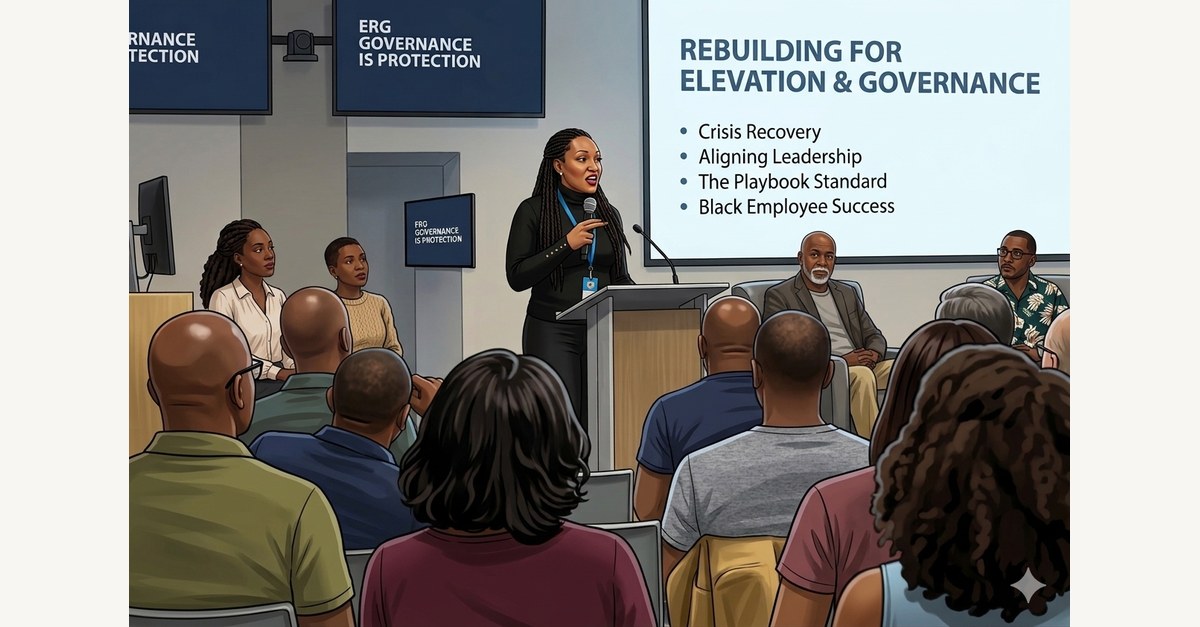
I got meetings back on the calendar and recruited an HR advisor, a Partner-level D&I Council representative, and a Chief of Staff onto the board for alignment and governance. We built an ERG Board Playbook so future leaders would know what the job required before accepting it.
Governance is not bureaucracy. It is protection.
From there we built for elevation and not just inclusion, running financial education, skilling programs tied to emerging products, and a dedicated space for Principal-level members to access executives for visibility and sponsorship. Time-taxed senior leaders made these meetings a priority, and that told us everything.
When layoffs hit we did not send a supportive email. We built a playbook, mobilizing our membership around mentorship, resume reviews, mock interviews, and referrals from senior employees, plus a LinkedIn group that grew well beyond our division.
You know how much an organization values its people by three things. Time invested. Resources allocated. Dollars committed.
When companies underinvest, it feels exactly like what it is.
The models we built are still in use long after I handed them off. That is the standard I build to.
What is one thing you think companies consistently get wrong about building truly inclusive cultures?