Just Make Sure My Team Is Taken Care Of
· 8 min read
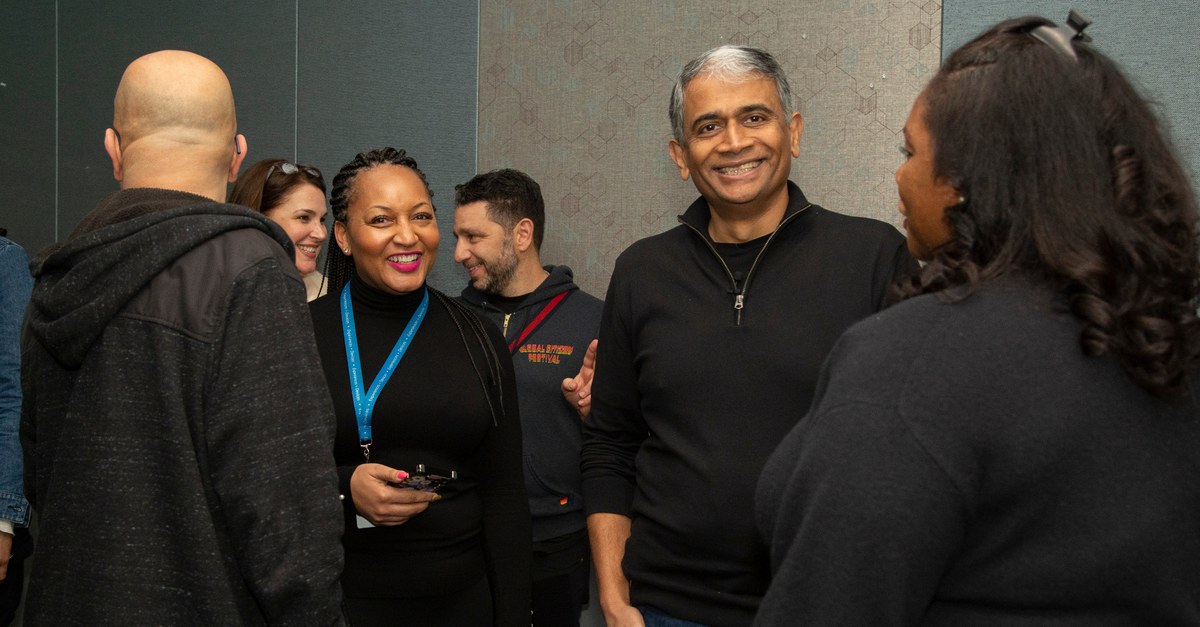
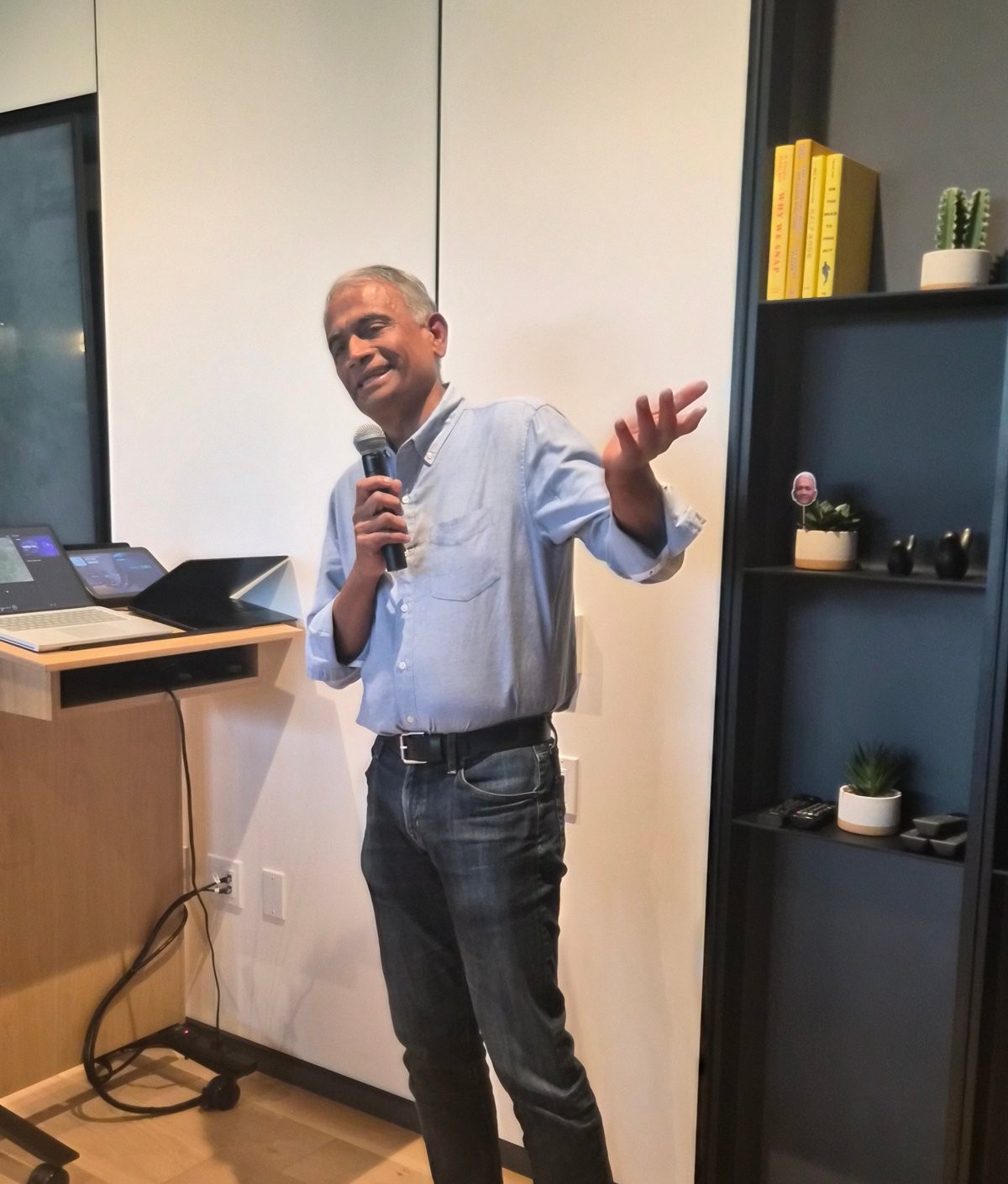
The guest of honor grabbed the microphone at his own retirement party to announce that he hates these things and didn't want one.
That was Rajesh. Honestly, it was the most familiar moment of the night. The man has never been a fan of any light shining on him, and he was not about to start at his own party.
The room was full of people who shaped his career and people whose careers he shaped. Former bosses who ended up working for him. Luis, our very first employee on Office Live. Julia, who ran our marketing team. He didn't know I was coming, and when he saw me, his eyes lit up. That alone was worth the trip.
So let me take you back.
Prior to July 2003, I was a benefits administrator trying to break into the product side of Microsoft. A friend referred me to the EA for Rajesh's boss, and we talked for a couple of hours. This was back when you didn't have to interview with five people to get a job. Nothing was open. The very next day she called me and said, "I literally just got an opening today." It was supporting Rajesh.
I said I want it. She said, great, go meet the team and make sure it's a good fit. So I met Paul, Tudor, and Brad, and we had fun right away, which I took as a very good sign.
Then I sat in a chair across from Rajesh, and he gave me my entire job description in one sentence: "Just make sure that my team is taken care of and they have everything they need and I'm good."
I thought, okay, that shouldn't be hard.
Reader, it was a little harder than that.
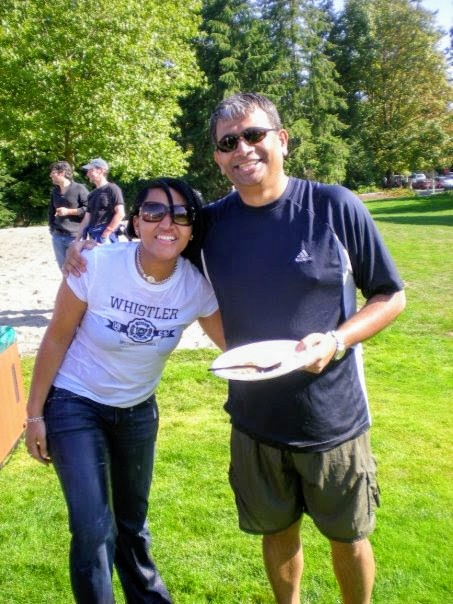
About two years in, a family member got sick and Rajesh stepped away for a couple of months. The team was fine. We had great leaders. But you could feel the void. So I did what any reasonable admin would do. I wrote to Bill Gates and Steve Ballmer to tell them what kind of leader he was.
When he came back, all these private meetings with leadership started showing up on his calendar. My brain went straight to the worst case. He's leaving. He's moving back to India.
So I shut his door and asked him. "Are you leaving? Are you going back to India? Because if you go, I'm going with you." I had even worked through the logistics. I don't eat Indian food, but I was going to have to figure it out.
He just started laughing. He told me he wasn't supposed to say anything, but he'd been tapped to start a new team. Oh. Okay. Well, if it's just that.
Then he formally asked me to come with him, and told me to talk it over with my husband first. He'd understand if I didn't want to.
Sir. Did we not just have a conversation where I volunteered to move to India?
I didn't need to talk to anybody. It was nobody's decision but mine, and my decision said yes. Best decision I ever made.
That team built Office Live, the first version of what's now Microsoft 365. We were a startup inside Microsoft. Marketing and finance sat on our team instead of in their own orgs. It was the two of us, then 300, then 500, then 2,000, and we just kept growing.
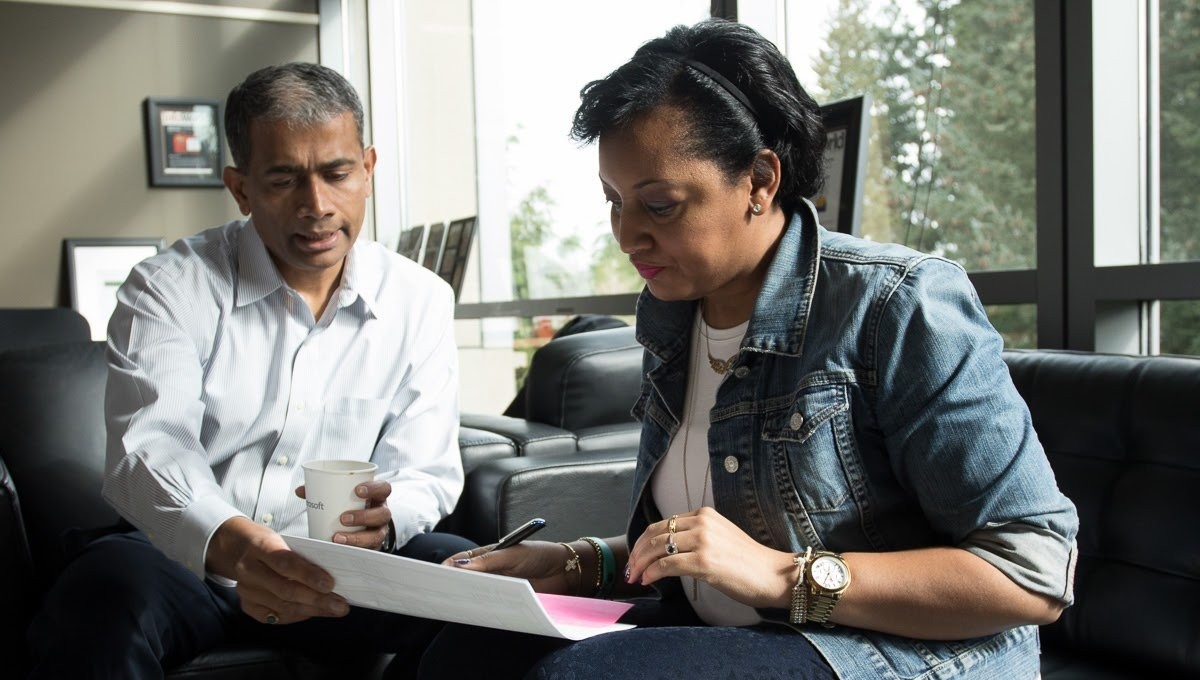
It was college. He let me in the room. I didn't hear about outcomes after the fact. I watched him lead, disagree, resolve conflict, share his disappointment, and share his pride in his team.
And when he was disappointed in me? Oof. That was a big blow. Every time, I'd tell myself, I don't want to feel this feeling again. So I competed with myself. I still made mistakes, but I learned to lick my wounds, go back, and do better.
Rajesh prided himself on knowing everyone's name and how to pronounce it. Tell him some small detail about yourself, and 15 years later he'd ask, "Didn't you have a son? He's probably about 15 now."
When Office Live started growing, he had me build a gallery of everyone's badge photo, name, and team. He studied it like he was cramming for finals. It genuinely frustrated him when the org got too big to know everyone. By the time he led 40,000 people, that was impossible, but everyone he met still walked away feeling seen.
Meanwhile, I left Microsoft and have already forgotten half the names I knew. So.
The job eventually put him on stage at town halls, sales conferences, and developer conferences, all of which he would have skipped if he could. He got a coach. Marketing kept begging him to spunk it up. His answer, more or less: you get what you get and you don't throw a fit. He kept the monotone and added a few inflections. That was the compromise.
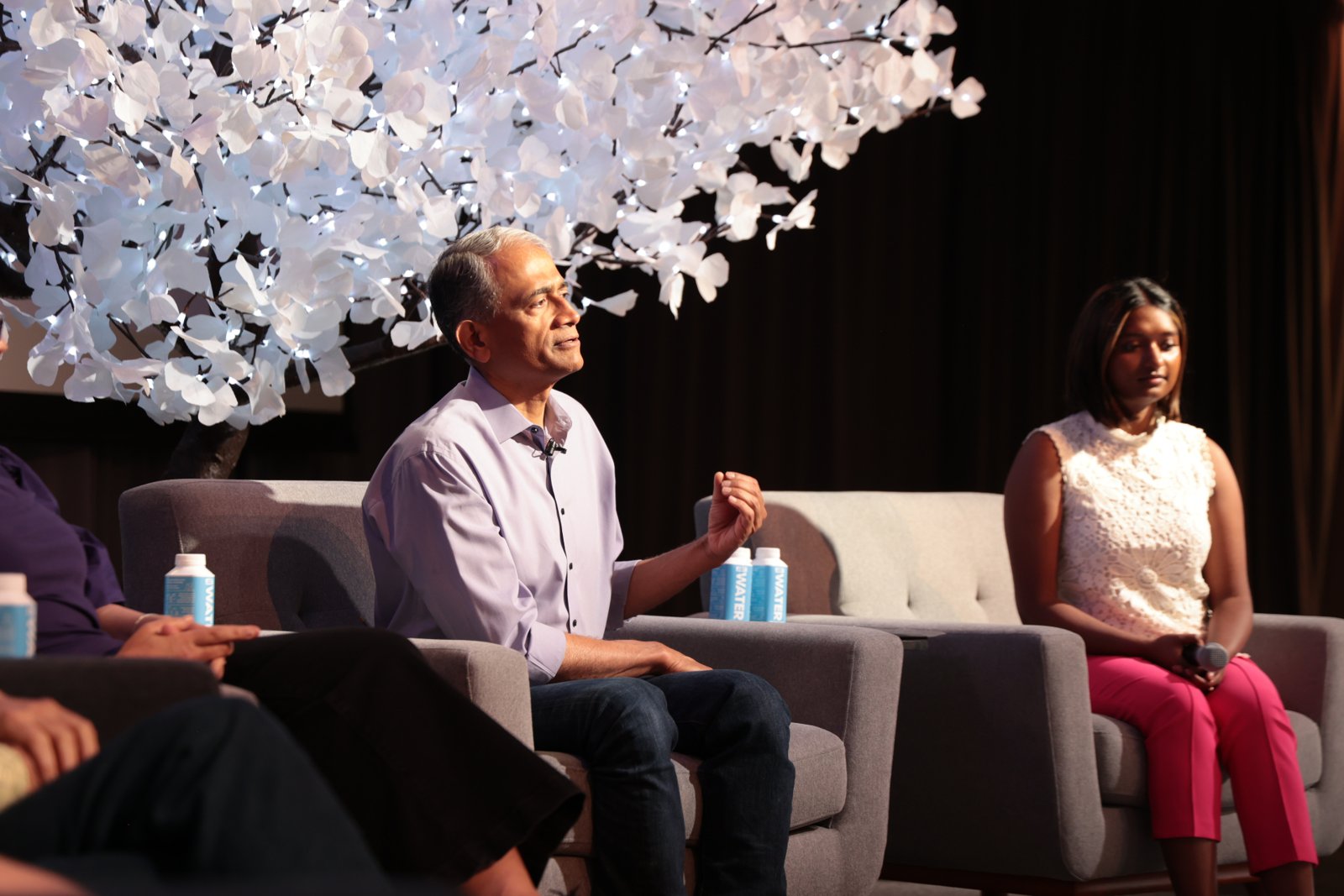
Then there were the zen crashouts. Rajesh never yelled. He got firm. He'd slow way down and talk through his teeth with this gritty sound, and everybody knew. They mostly happened in service reviews, usually when someone new tried to hide a bad number. Rookie mistake. He'd come in late from another meeting, throw his briefcase on the table, point straight at the number, and ask, "Who do I need to fire for that number?" His favorite four-letter word may have made an appearance.
But he was never unreasonable. He knew the team could hit the mark. His thing was accountability. Mess up, own it, fix it. My coworker Patrick and I used to joke that we hated disappointing dad. He set you up to win so often that letting him down felt like letting yourself down.
And the whiteboard. Everything was a whiteboard issue. I once asked how he set up a trust and will for his kids. He got up, walked to the whiteboard, and mapped the whole thing out. Fair enough. Another time I asked what kind of car he liked. He got up, walked to the whiteboard, and wrote down his favorite car, why it wasn't reasonable, and what he got instead. No rhyme or reason. Just a man and a dry-erase marker. In my goodbye video, I told him I'm sure I'll hear he's a professor soon.
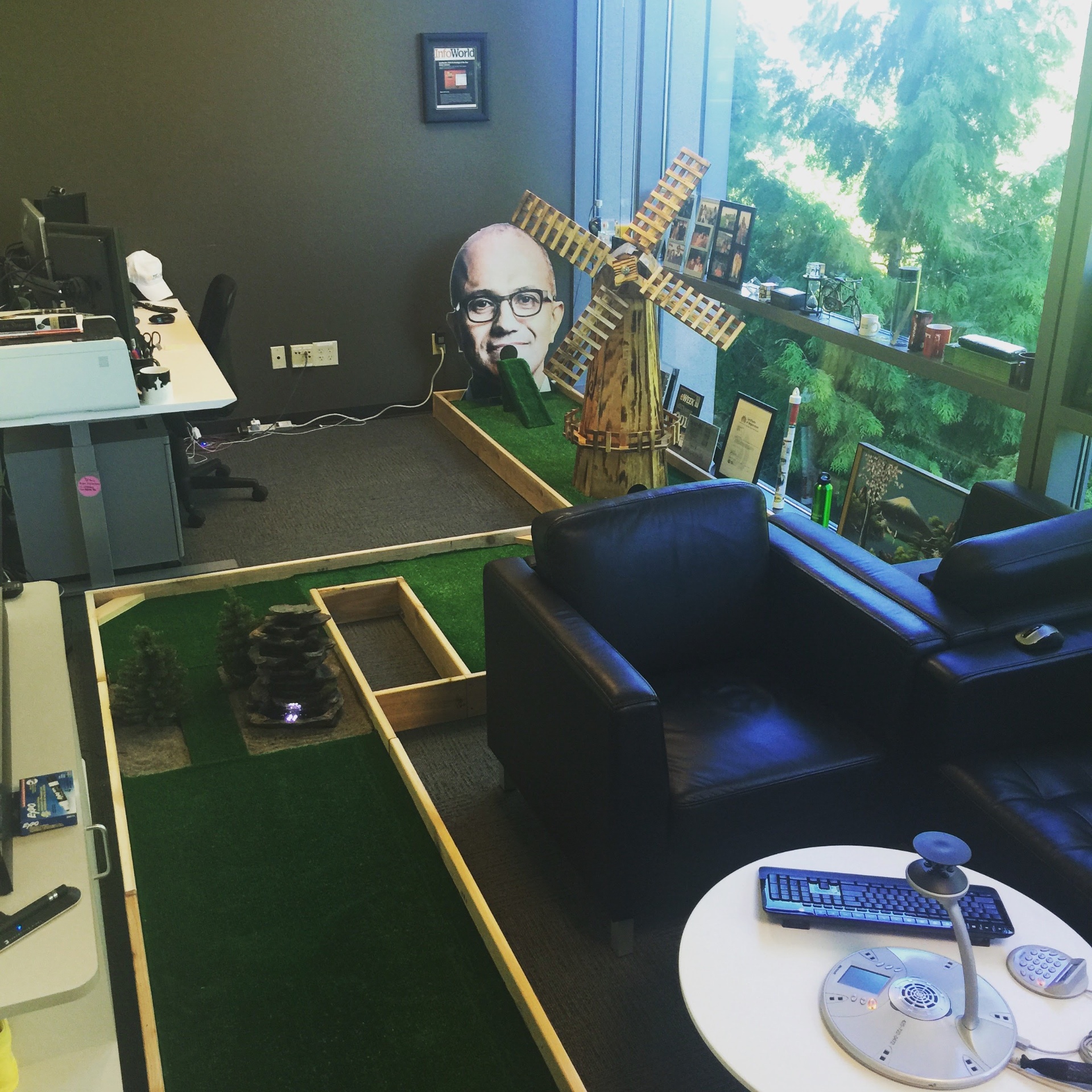
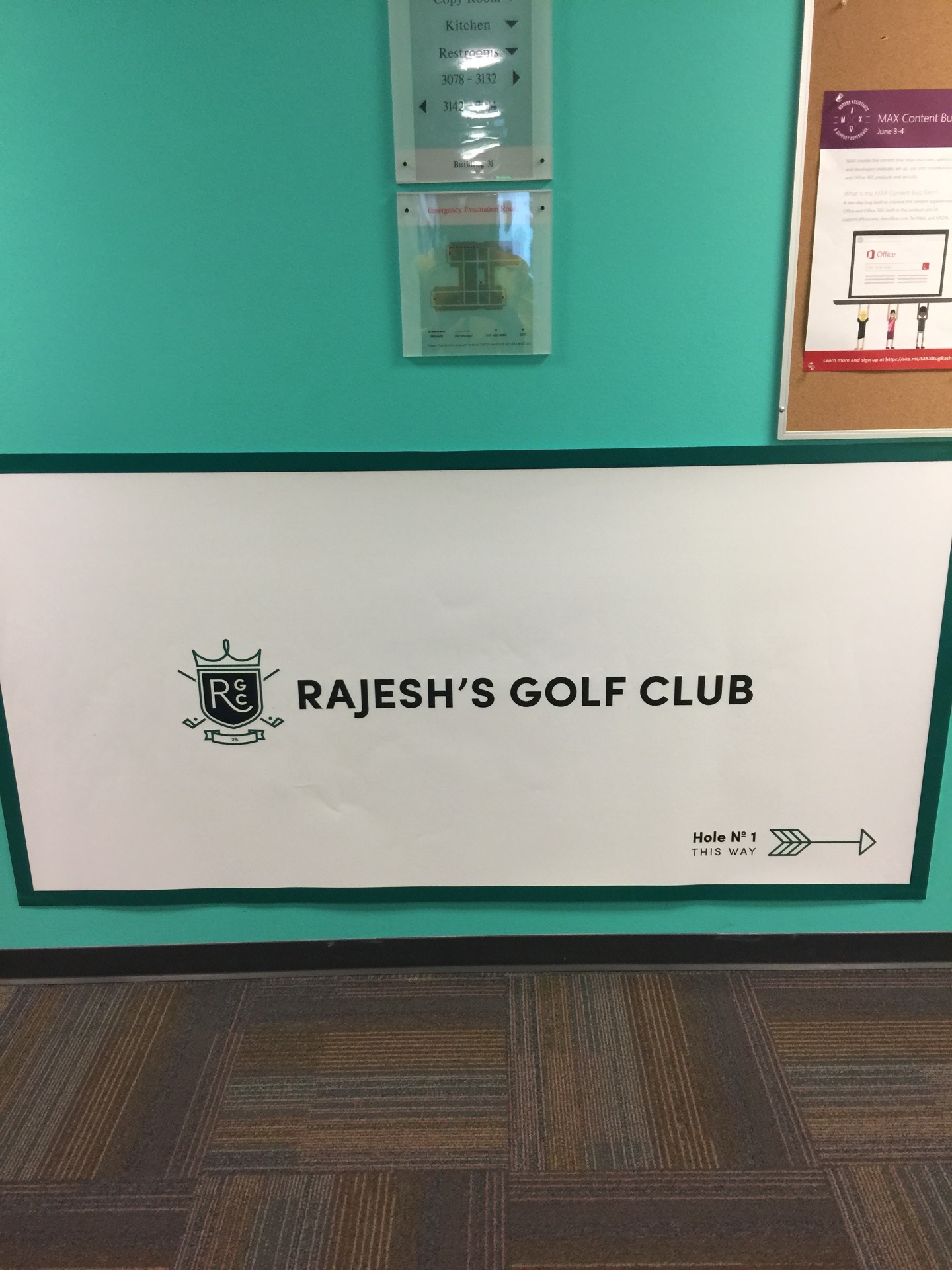
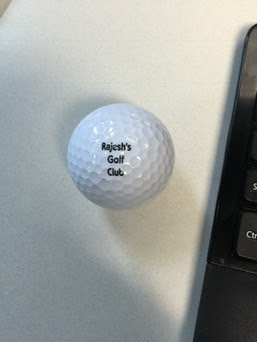
Rajesh had just taken up golf, and he kept saying he was going to retire and become a caddy. So I put a mini golf course in his office. Turf, wooden borders, a windmill, and a little waterfall. Now he could practice all the golf he wanted.
He wasn't just my boss. He was my big brother. He gave me advice on soccer for my son, and our boys played together since they were the same age. When things got hard with my kids and stepkids, he was always there with, "What do you need? I got you."
He taught me to let people fail. I was the one falling on my sword for mistakes I didn't make, because I was so protective of my team. He told me people have to fail so they can learn how to fix it. He also taught me not to wallow. Acknowledge it, move forward.
When he got promoted to corporate vice president and I congratulated him, he said he doesn't write the code, he just helps, and the team deserved the honor. He made the win about them.
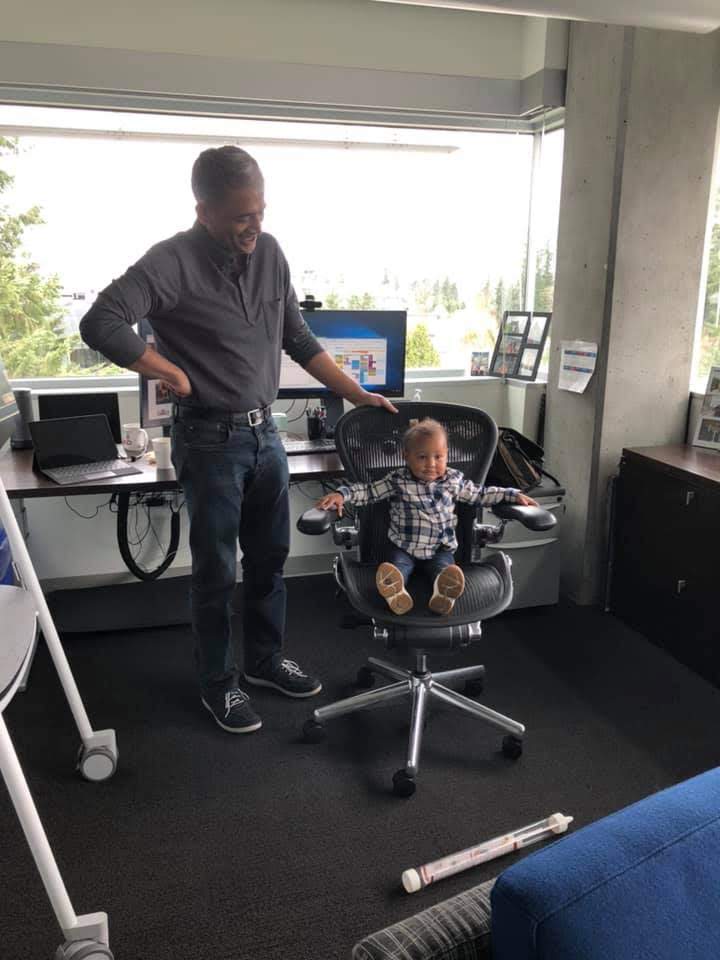
By 2018, life was getting fuller. My kids were older, family stuff was happening, and my first grandchild was on the way. Rajesh was moving fast and needed someone who could pivot on a dime. So we sat down, and I told him I was willing to leave the company. He said, "No, there's a place for you here. We're going to find it." And we did.
I stayed in his org, but I kept my distance on purpose. I didn't want his Chief of Staff or his new EA thinking I was cashing in on history. We still texted, and he'd stop me in the hallway to ask about my granddaughter.

At the party, he talked about how the Pebble Beach campus renovation changed the trajectory for us. I agree. Our engineers were the holdouts on open space. I won't say they love it now, but they had real input, and that changed how people saw our space, our profession, and how we worked as a team.
I will miss his zen crashouts, his whiteboard illustrations, his humility, his mind and memory, his compassion and his challenges. He has ruined it for the others. The bar is so high. I enjoyed 90% of my time at Microsoft, and he is the reason.
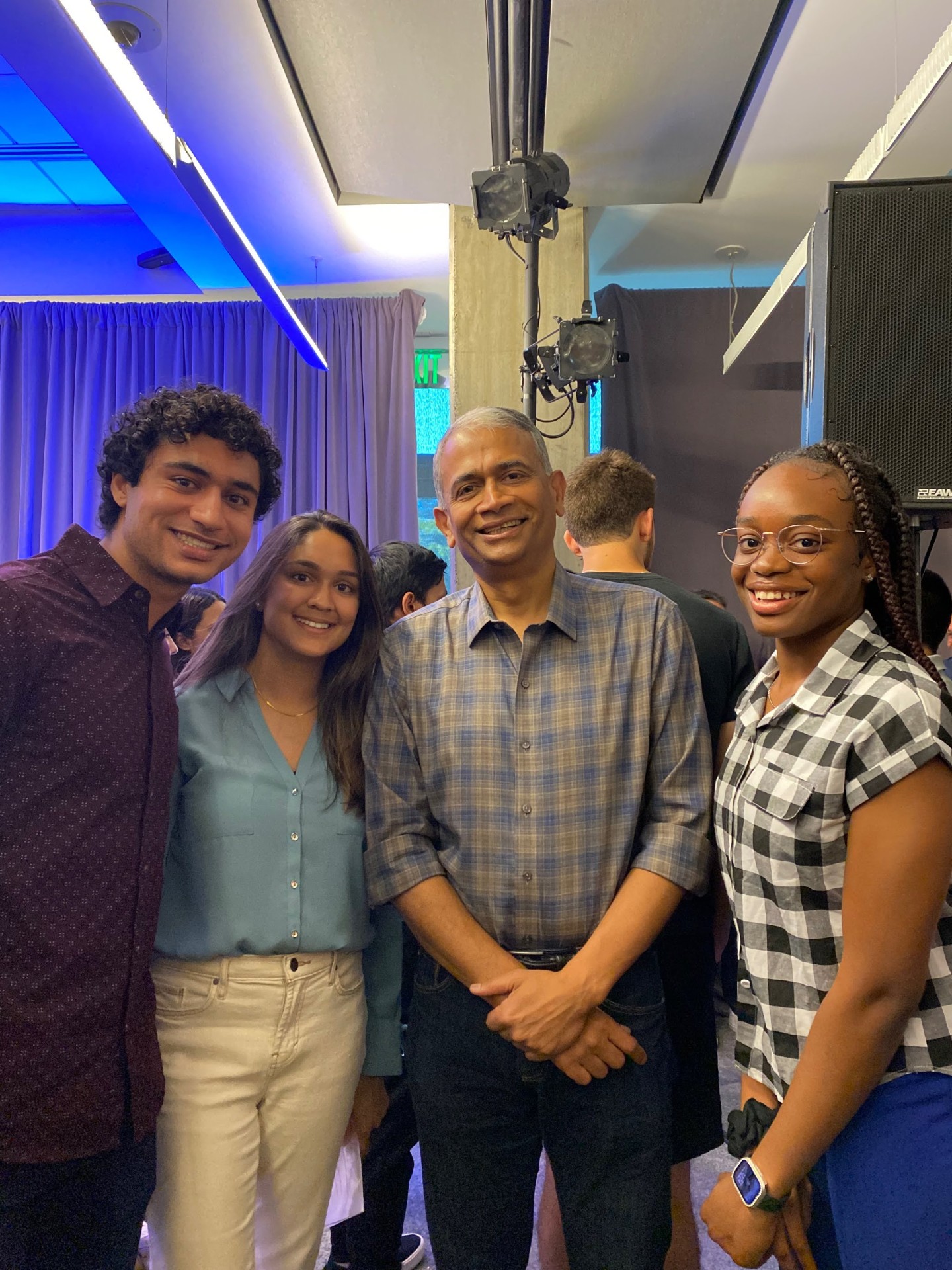
Closing this chapter is hard but so necessary. He's in Seattle, I'm in Arizona, and I don't know when I'll see him next. But I told his wife at the party that the man cannot stay away from teaching. Give him some rest and some travel. Then don't be surprised when you hear about Professor Jha. Or a new caddy on the course. Either way, he's earned it.